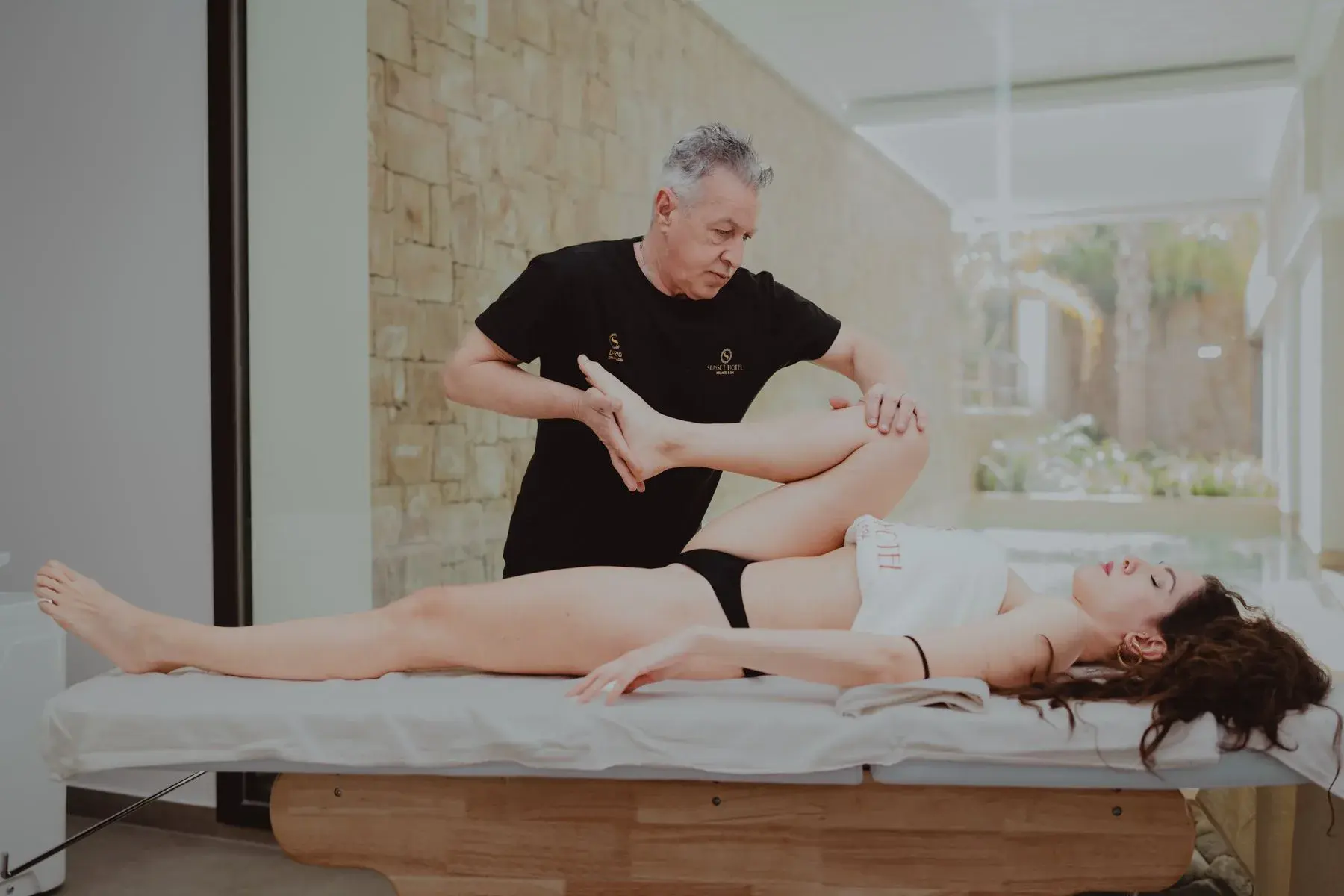
Different injuries need different plans.
Pain after a collision can come from muscles, joints, ligaments, nerves or other structures. Symptoms alone do not tell the whole story. A clinician considers the mechanism of the injury, examination findings, prior health conditions and the way your symptoms are changing.
Treatment should have a purpose you understand. That might mean reducing pain enough to sleep, helping you tolerate a workday, or improving comfortable movement. Ask which findings support a proposed treatment and what would lead the plan to change.
What a care plan may include
Depending on the examination, recommendations may involve activity guidance, medication review, rehabilitation, additional testing or a specialist referral. Procedures are considered only when appropriate for the diagnosis and your individual circumstances. An appointment does not automatically mean an injection, MRI or prescription.
- A discussion of your current limitations and priorities.
- A practical plan for activity and symptom monitoring.
- An explanation of benefits, uncertainties and possible risks.
- A follow-up plan that measures progress and responds to changes.
Make follow-up useful.
Keep a short record of what you can do more comfortably, what still triggers symptoms, and any new problems. Include side effects from medicines or changes after an activity. This gives your clinician more useful information than a pain score alone.
Contact the office if symptoms change between appointments. New neurological symptoms or other emergency warning signs need urgent medical attention instead of waiting for a routine follow-up.