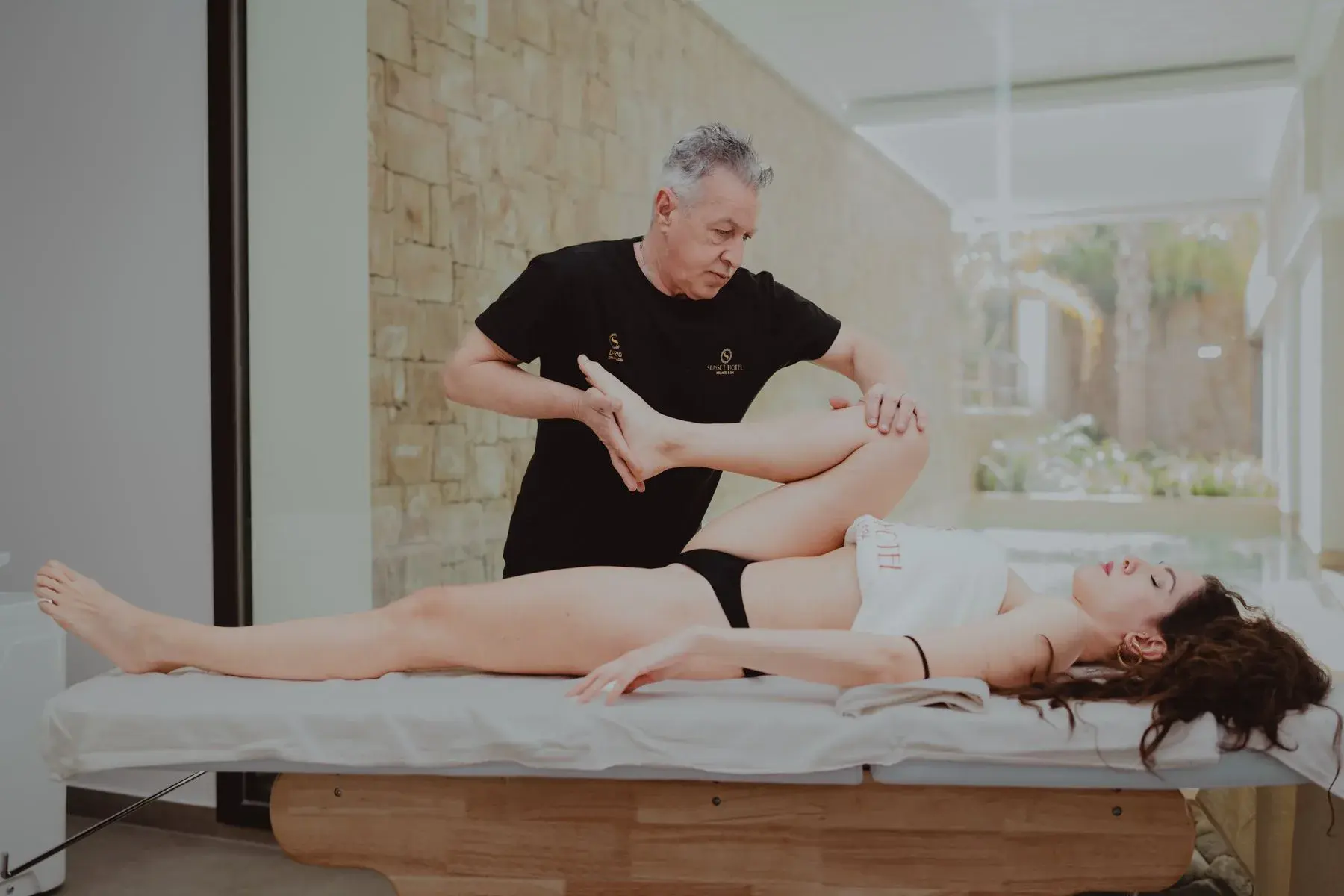
A plan should connect to your priorities.
Pain management is about understanding symptoms and finding practical ways to improve day-to-day function. After a collision, that conversation may include sleep, movement, work responsibilities and the emotional strain of a disrupted routine.
Describe what a better week would look like for you. Walking a little farther, sitting through a meal or returning to a regular sleep schedule can be useful goals to discuss alongside pain intensity.
Review the options together.
The clinician may discuss rehabilitation, activity changes, medication or other treatments depending on the diagnosis. Ask why an option is recommended, what benefits are realistic, what risks matter for you and how progress will be measured. A treatment offered to one person may not fit another person’s condition.
Be sure to mention all medications and supplements, including over-the-counter products. Never change prescribed medication based only on website information.
Reassess when the picture changes.
Follow-up is an opportunity to explain what has improved and what has not. A lack of progress can prompt a review of the diagnosis or plan. New severe symptoms should be assessed promptly rather than waiting for the next routine visit.
CMS Pain & Rehab provides the clinical appointment; After Accident Docs offers information and a direct way to connect with that office.