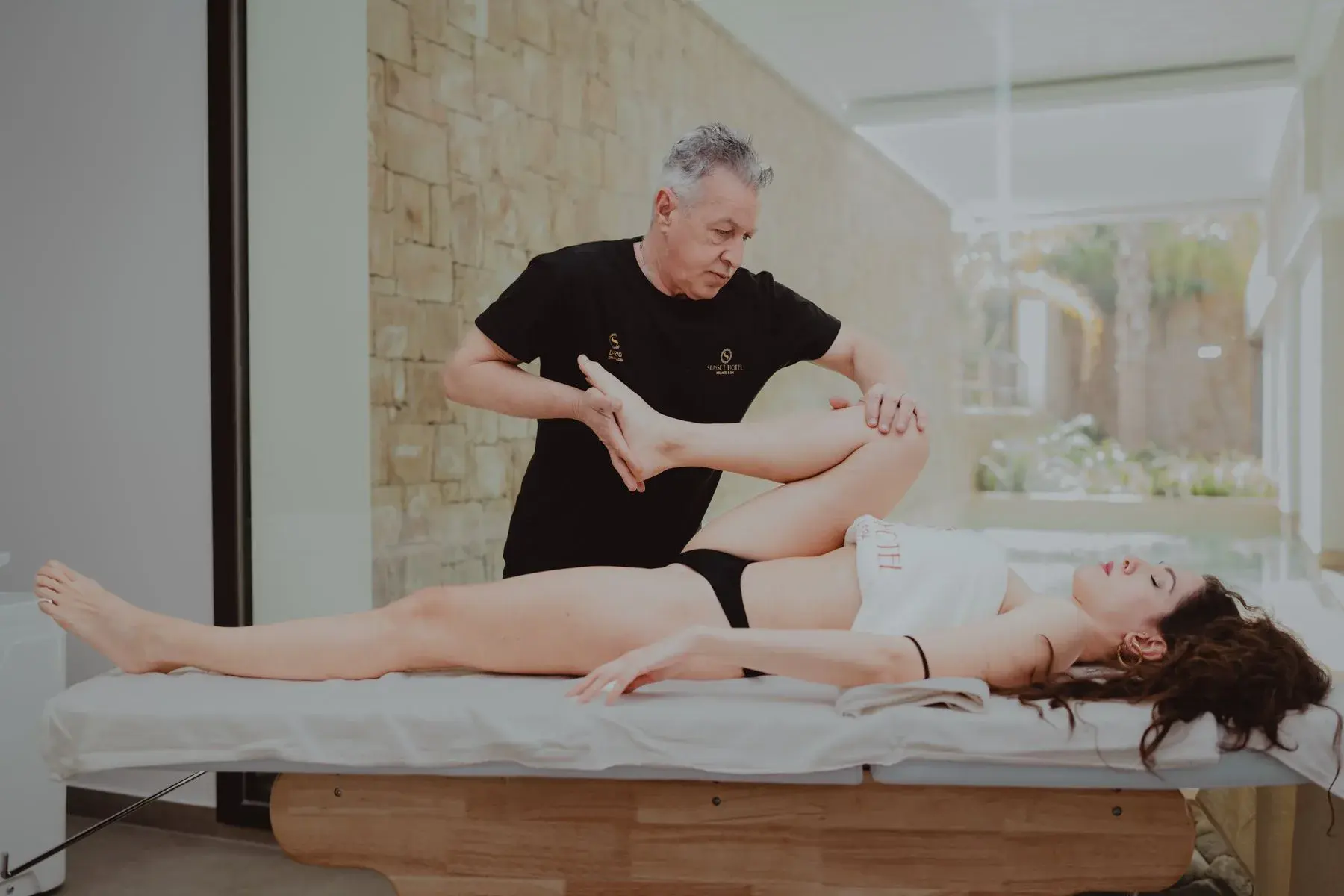
A careful history comes first.
Back pain can affect sitting, walking, bending and sleep. Describe exactly where it hurts, whether pain travels into a leg, and whether you have noticed changes in strength or sensation. The clinician also needs to know about earlier back problems and any care you received immediately after the collision.
The timing of symptoms is one part of the history, not a diagnosis by itself. An examination helps determine whether outpatient treatment is suitable and whether testing or referral is needed.
Know when to seek urgent care.
After an injury, new loss of bladder or bowel control, numbness around the groin, progressive leg weakness or severe rapidly worsening pain needs urgent medical evaluation. Do not wait for a routine appointment.
Discuss function, not only pain.
Care may focus on helping you resume appropriate activity while addressing the source of symptoms. Ask which movements or tasks to modify temporarily, how to manage medication safely and when to follow up. Recommendations depend on your examination and overall health.
If you already have an imaging report, bring it along with hospital discharge instructions. Test findings are interpreted with your symptoms and examination; a report alone does not determine which treatment is right for you.
Sources & further reading
Educational content; individual recommendations require a clinical evaluation. Source links checked October 11, 2026.
NIAMS: Back pain